All twelve perception tests
These are the twelve perception tests behind Perceptle. Each one measures a different part of how you see and sense: timing, color, memory, shape, motion and speed of reaction. Pick one to practice it on its own; every round is a little harder than the last.
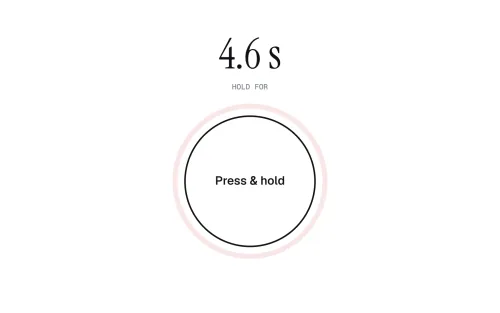 Time Perception TestHold the circle for exactly the time shown. No timer to watch.
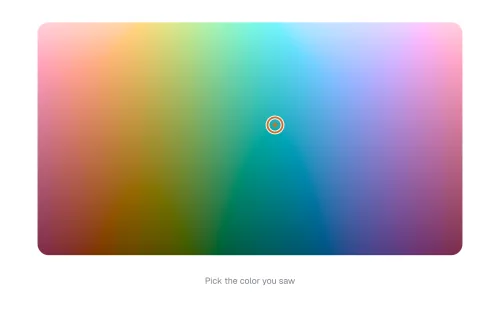 Color Memory TestA color appears for a moment. Find it again on the color field.
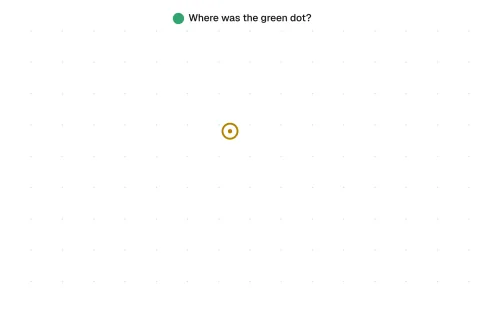 Visual Memory TestColored dots flash once. Then point to where one of them was.
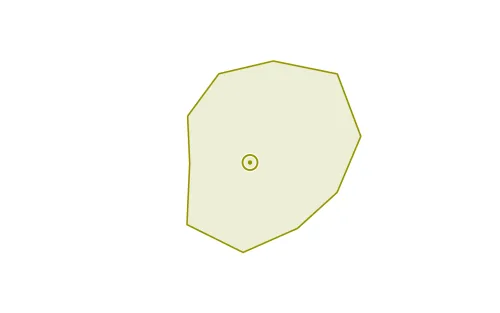 Balance Point TestTap the spot where this shape would balance on a pin.
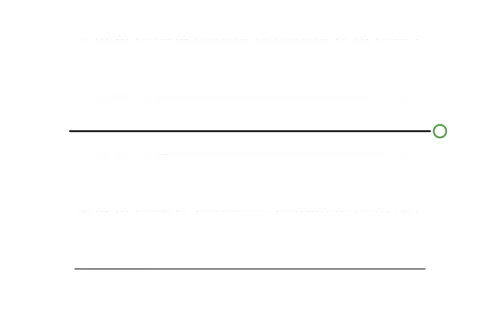 Average Estimation TestBars flash once. Set the line to their average.
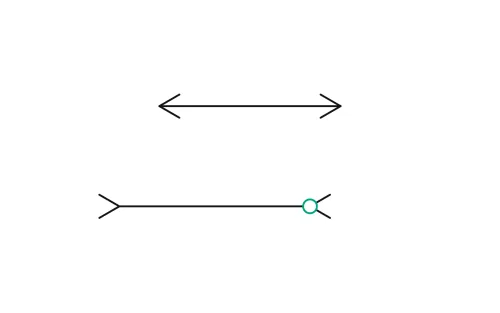 Line Length Illusion TestStretch one line until both lines are the same length.
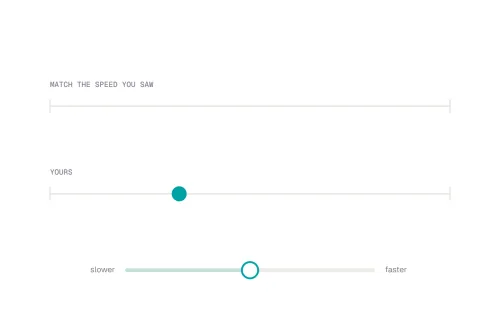 Speed Perception TestWatch the first dot cross once, then set the second dot to the same speed.
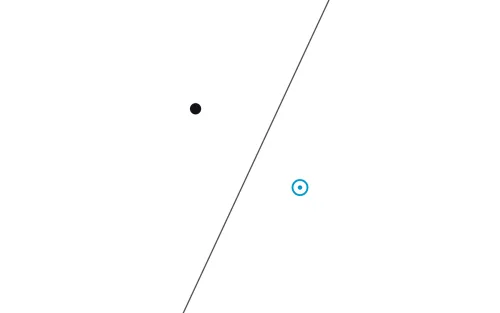 Symmetry TestTap where the dot would land if mirrored across the line.
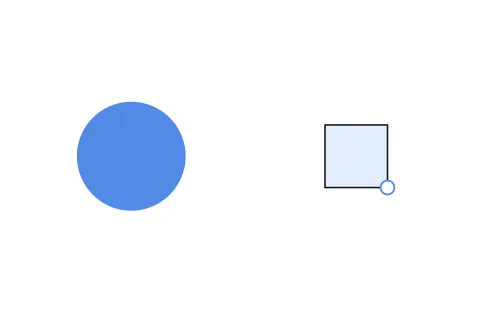 Area Estimation TestResize the shape until it covers the same area as the circle.
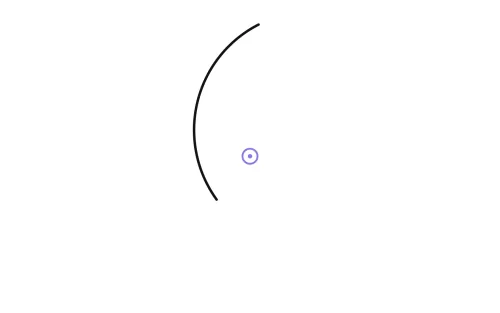 Circle Center TestOnly part of a circle is shown. Tap its center.
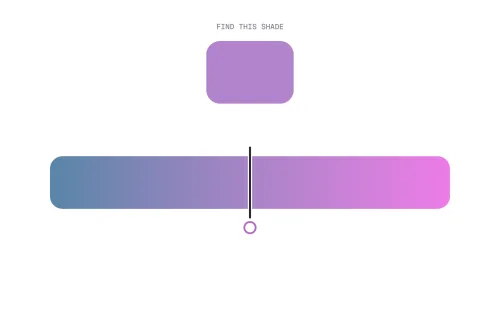 Shade Matching TestFind where a single shade sits along the gradient.
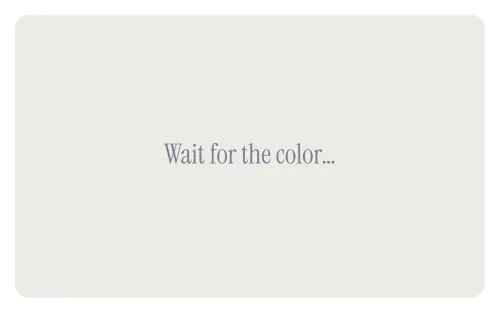 Reaction Time TestWait for the panel to change color, then tap as fast as you can.
Which perception test to start with
New to perception tests? Start with the reaction time test or the time perception test: one tap or one hold, and you instantly see how you did. Then try a memory test, like color memory or visual memory, where something flashes and you rebuild it from memory.
The judgment tests reward a careful eye more than speed: symmetry, balance point, area estimation and circle center. And the optical illusion test is the one most people get wrong at first, because the illusion keeps working even when you know it is there.
How the perception tests are scored
Every test is scored out of 100 by how close you came, falling away smoothly as the miss grows, so each round tells you exactly how sharp you were. The same tests make up the daily Perceptle, ten a day, and Unlimited mixes them into endless rounds.
Each of these perception tests is based on a classic task from perception research. They are for fun and practice, not a medical or psychological assessment.